
Why Personalized Fashion Is The Silent Style Revolution of 2025
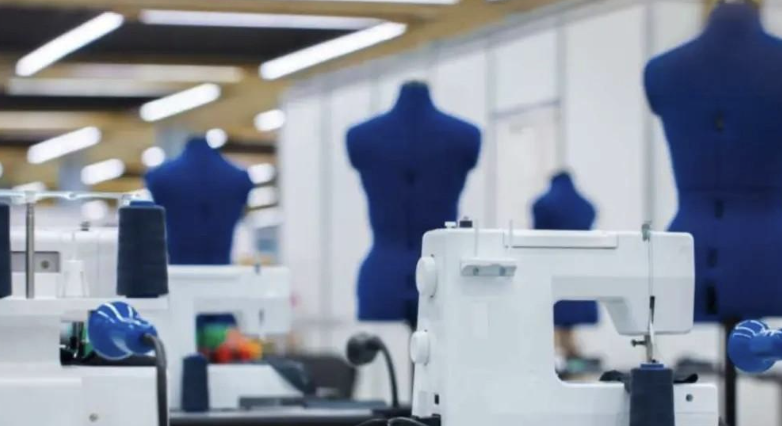
Custom fashion is transforming how people dress, shop, and express themselves. What was once a niche interest has become a defining movement in the industry, where individuality takes center stage. Quality now matters more than quantity, and this shift has reignited interest in custom and bespoke fashion.
This evolution is about much more than simply having more options. The rise of personalized apparel reflects a deeper change in how consumers think about fashion. With made-to-order and print-on-demand models reducing waste and overproduction, custom fashion offers a smarter, more responsible way to shop.
As we move through 2025, this quiet revolution continues to reshape everything from design to manufacturing and retail. This article explores why custom fashion has become so influential, how it empowers both consumers and creators, and why it points toward a future where style and sustainability go hand in hand.
The Shift from Mass Production to Personalization
The fashion world has seen radical changes as people turn away from mass production and seek personalized clothing. This change goes beyond a simple trend and shows a deeper transformation in our relationship with clothes and self-expression.
How fast fashion lost its appeal
Fast fashion’s dominance in affordable clothing has crumbled. The trendy exterior masks dark truths about human rights violations and environmental destruction that create low-quality clothes, adding more waste than value.
The business model puts profits first through cheap production, which leads to worker exploitation with bad conditions and low pay. The environmental damage runs deep—mass-produced inorganic cotton needs heavy chemical use, and synthetic materials contain toxins that poison our soil and water.
People wear their clothes 36% less before throwing them away compared to 15 years ago. Clothing waste has jumped 500% in landfills even with better waste management systems.
The return of individuality in clothing
Spring 2025 runway shows delivered one clear message: wear what makes you happy. Prada and Raf Simons actively fight against the sameness created by internet algorithms that made everyone’s style look alike. Their designs celebrate personal style and uniqueness instead of following trends.
This change arrives at the perfect time. The trend cycle moves faster than ever, and new looks appear and vanish quickly. Fashion moved from being real to being copied, with popularity driving choices rather than personal taste. In spite of that, people now rebel against this uniformity.
Personal style now shows someone’s stance on environmental and social justice. Choosing eco-friendly brands lets people express who they are while staying true to their ethics, building a deeper connection with their clothes.
How Personalized Fashion Empowers Consumers and Creators
Personalized fashion is transforming the way people connect with what they wear. It has created a balanced ecosystem where designers can freely express their creativity while consumers take a more active role in shaping their wardrobes.
Ways personalized fashion empowers both creators and consumers:
- Freedom for independent designers: Customization gives smaller designers a way to compete without large budgets or production runs. Print-on-demand systems allow them to produce unique, limited pieces without holding excess inventory, enabling experimentation and artistic freedom that mass production often restricts.
- Consumer involvement in the design process: Customization platforms from global brands like Nike and Adidas let shoppers choose their preferred colors, materials, and styles. Luxury labels such as Burberry’s “Bespoke” program invite customers to co-create signature pieces, fostering a deeper emotional connection between people and the clothes they design.
- Rise of personalized fashion recommendations: Artificial intelligence and visual recognition systems now study patterns, styles, and colors to generate precise outfit suggestions. These data-driven insights help brands provide curated recommendations that reflect individual preferences and lifestyles.
- Collaborative communities shaping fashion trends: Personalized fashion has sparked new creative communities where designers and shoppers interact directly. Through online platforms, limited-edition drops, and social media feedback, customers influence design decisions while supporting the growth of independent creators.
Sustainability and the New Fashion Ethos
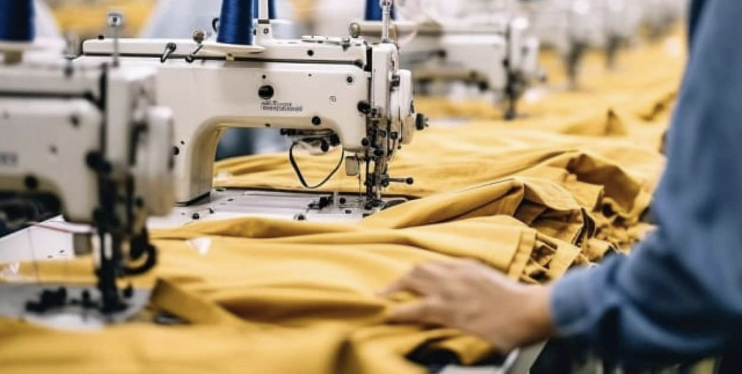
Customized fashion brings a significant environmental benefit – green practices have become an integral part of the customization movement. This connection goes beyond being just another advantage and stands as a fundamental principle of the industry’s new direction.
Reducing waste through made-to-order models
The made-to-order system changes how fashion affects the environment by creating items only after purchase. This method can cut waste by up to 30% when compared to traditional mass production. The UK sends about 300,000 tons of used clothes to landfills or incinerators each year. Made-to-order tackles this issue head-on by producing only what customers want and eliminating excess stock.
This approach also creates a deeper connection between people and their clothes. Customers who invest in customized pieces tend to keep their garments longer than the current average of just over two years.
Eco-friendly materials and ethical production
Customized fashion brands often use sustainable materials that help protect the environment. These include:
- Organic cotton grown without harmful pesticides
- Hemp and bamboo, which need minimal water and pesticides
- Recycled polyester made from plastic bottles
- Tencel created from sustainably harvested wood pulp
Custom clothing manufacturers focus on ethical production practices. They ensure their workers get fair pay and enough time to create quality garments. This system creates positive changes throughout the supply chain that benefit both the environment and the people involved.
Local Creativity Meets Custom Fashion
Cities worldwide are creating their own unique fashion ecosystems. Vancouver shines as a creative hub where custom apparel meets green practices.
Vancouver’s Thriving Custom Apparel Scene
Custom fashion businesses are booming across Vancouver, reflecting the city’s creative spirit and growing commitment to sustainability. Coastal Reign Vancouver is one of the local brands redefining modern customization. The company helps individuals, teams, and businesses design high-quality custom t-shirts that combine style with purpose, all produced through thoughtful, made-to-order methods that minimize waste.
Senator Bespoke creates “a lifestyle of opulence and grandeur” through handcrafted custom suits and luxury accessories. As with The Tom James Company, expert clothiers visit clients at their homes or offices and offer the “world’s finest fabrics” in bespoke garments.
Supporting Local Craftsmanship Through Custom Clothing
Custom apparel brings significant economic benefits to communities. Local tailors and designers run small businesses that directly boost local economies. This community-focused approach reduces mass manufacturing while boosting local economic activity.
On top of that, green fashion keeps traditional artisan techniques alive through generations. Customers who support these skilled craftspeople help:
- Create a market for handcrafted products
- Showcase fashion’s cultural diversity
- Improve artisan’s lives and economic opportunities
Custom fashion lets customers build meaningful relationships with the skilled artisans behind each unique piece.
Technology as the Backbone of the Style Revolution

Modern technology has become the driving force behind personalized fashion, making it easier than ever to achieve perfect fit, comfort, and individuality. From advanced scanning to artificial intelligence, innovation supports every stage of customization and helps consumers make smarter style choices.
Key technologies shaping personalized fashion:
- 3D body scanning and virtual fittings: New scanning systems capture over 85 body measurements to create precise digital models, often outperforming professional tailors in accuracy. Virtual fitting rooms now use augmented reality so shoppers can visualize how clothes will look before purchasing, helping reduce returns caused by poor fit.
- Online customization tools: Digital design platforms such as Tailornova empower both shoppers and designers to create unique pieces collaboratively. These tools streamline the design process, offer real-time previews, and provide insights into consumer preferences and sizing trends.
- AI-driven style suggestions: Artificial intelligence personalizes shopping by analyzing body measurements, style habits, and even weather data to recommend perfectly fitted outfits. These systems take the uncertainty out of styling and help users discover looks that truly match their individuality.
- Smart production and sustainable innovation: Technology now plays a major role in creating sustainable fashion. Automated cutting tools, digital fabric printing, and demand-based manufacturing reduce waste and overproduction while maintaining quality.
Conclusion
Personalized fashion has redefined what it means to dress with intention. It invites people to slow down, think deeply about their choices, and take part in the creative process behind what they wear. This shift toward individuality and sustainability signals a meaningful transformation in how we view clothing—not just as fabric and thread, but as an extension of personal identity and shared values.
Designers gain freedom to innovate without the barriers of traditional production. Consumers discover confidence in garments that fit both their bodies and their beliefs. Technology acts as the bridge between creativity and conscience, ensuring that fashion can evolve responsibly while still inspiring self-expression.
As the style world continues to evolve, the essence of fashion remains unchanged—it is still about telling a story. The difference now is that the story belongs to everyone involved, from maker to wearer. The next era of fashion will not be about following trends, but about creating meaning with every stitch.
