
Too Young for Hip Pain? Why It Happens in Your 20s
Ask most college students what hurts after a long day, and you’ll probably hear “back,” “feet,” or “brain.” But “hip” doesn’t usually make the list. That’s because hip pain still gets lumped into the category of “old people problems”—like something you worry about after 60, not 20.
But here’s the reality check: hip discomfort, stiffness, and even early joint wear can absolutely show up in your 20s, especially if you’re a student juggling sports, stairs, heavy bags, and all-night study sessions. And ignoring it can lead to bigger problems down the road.
If you’re feeling random twinges when you walk across campus or soreness that sticks around after a workout, it’s worth looking into. Some young adults have even turned to Pittsburgh hip pain relief doctors or regenerative specialists when simple stretches and rest weren’t enough. Getting help early is less about being dramatic—and more about protecting the life you want to live.
Let’s break down why your hips might be giving you grief and what you can do about it (without sounding like your grandma).
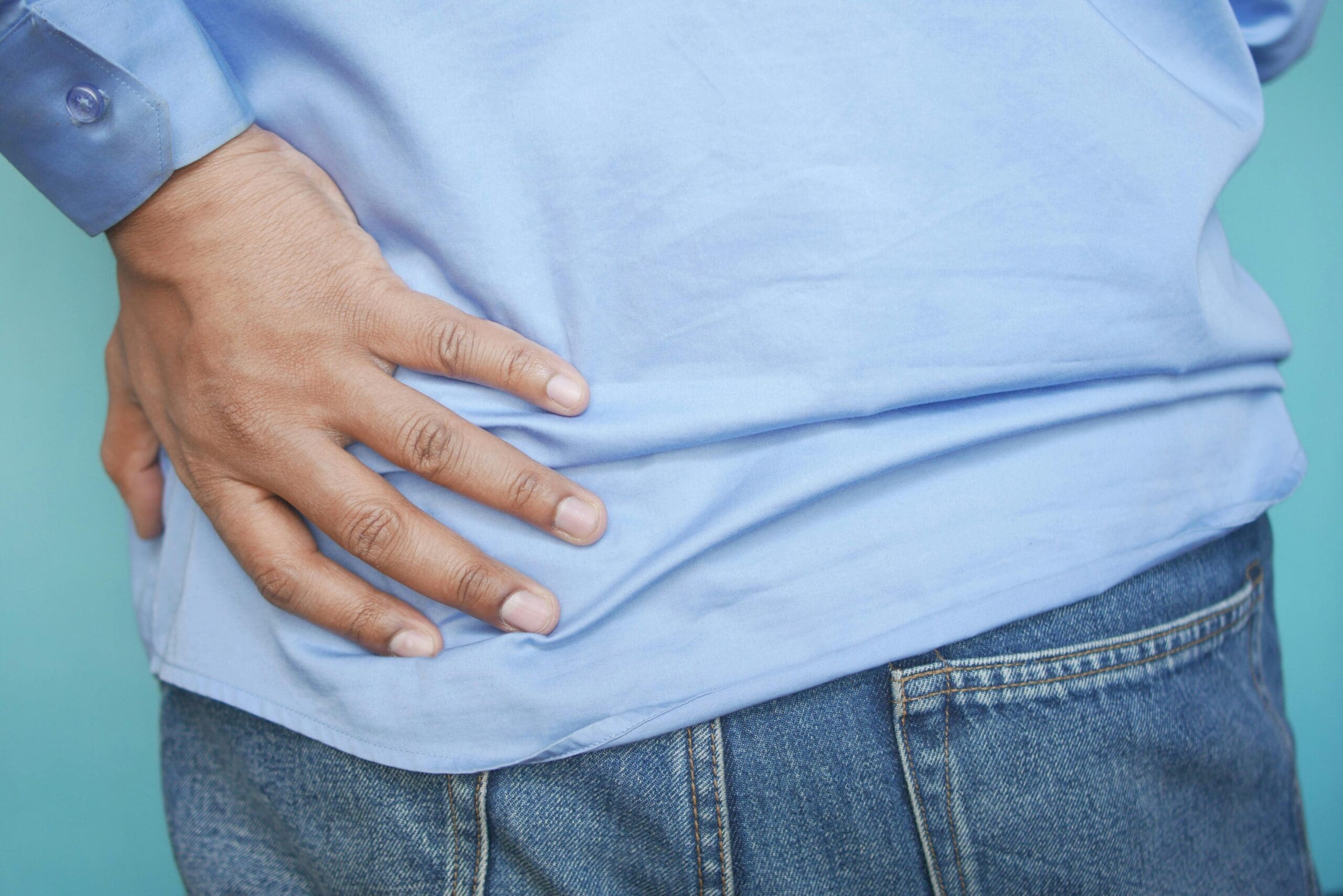
The Myth: “I’m Too Young for Joint Pain”
You can be in peak physical shape, take your vitamins, and still deal with hip pain. Why? Because pain isn’t always about age—it’s often about use, repetition, and biomechanics.
Think about how your day stacks up:
- Walking across a hilly campus with a laptop and books
- Sitting for hours in less-than-ergonomic lecture chairs
- Biking, dancing, or running as your go-to stress relief
- Sleeping on a weird dorm mattress
Each of those things asks something different of your hips. If you’ve got poor posture, weak core muscles, or limited flexibility, your hips take on the brunt of the load. And over time, that adds up.
Top Causes of Hip Pain in College-Age Adults
You don’t need a traumatic fall or major accident to end up with hip issues. Here are some of the most common culprits that sneak up on younger adults—especially students.
1. Sports and Overuse Injuries
If you play soccer, run track, lift weights, or dance competitively, you’re putting repeated stress on your hip joints. High-impact movements like jumping and quick pivots can cause small tears in the cartilage or soft tissue around the joint. These are called labral tears, and they’re surprisingly common in young athletes.
Even if you’re not injured, overtraining without enough recovery can cause inflammation in your hip flexors or glutes—two areas essential for stability.
You don’t need a traumatic fall or major accident to end up with hip issues. Here are some of the most common culprits that sneak up on younger adults—especially students.
2. Posture from Studying
Sitting for long periods with your legs crossed or hunched over a laptop can tighten your hip flexors and weaken the muscles that support your pelvis. That imbalance pulls your hips out of alignment and leads to stiffness or dull, achy pain after sitting too long.
3. Heavy Backpacks
Your backpack isn’t just annoying—it can be the reason your hips feel uneven. Carrying a heavy load every day shifts your gait and posture, creating strain on one side more than the other. Over time, this can cause hip asymmetry or sacroiliac joint dysfunction.
4. Flat Feet or Poor Footwear
Yep, even your shoes could be messing with your hips. Flat feet or sneakers without proper arch support affect your entire kinetic chain—ankles, knees, hips, and back. If you walk a lot on campus, those misalignments can lead to hip soreness by the end of the day.
5. Old Injuries That Never Healed
Did you sprain an ankle or pull a hamstring and just “walk it off” freshman year? That past injury could be subtly shifting your movement pattern. Compensation in one area often shows up as pain in another, like the hips.
What Hip Pain Feels Like (and Why It’s Confusing)
Hip pain doesn’t always feel like “hip” pain. It might show up:
- In your lower back
- Along the side of your thigh
- In your groin
- Or as stiffness in the morning
Some people also confuse it with sciatica, especially if there’s any numbness involved. The hip joint is deep and connects to multiple muscles, tendons, and nerves—so pain can be hard to pinpoint without a little help.
If you’re constantly stretching, rolling on a foam roller, or icing an area and still not getting relief, it’s time to listen to your body.
Why Young Adults Delay Treatment
Most college students write off physical pain with one of the following:
- “It’ll go away.”
- “I’m too busy to deal with it.”
- “I’m too young for something serious.”
Sound familiar?
But waiting too long often leads to compensation injuries, where your body tries to “work around” the pain and ends up creating more problems. Plus, addressing hip issues early can often be done without surgery or downtime—especially when regenerative medicine is an option.
When to See a Specialist
You don’t need to be limping across campus to justify seeing someone about your hips. Here are a few signs you should book that appointment:
- Pain that lasts more than two weeks
- Trouble sitting, sleeping, or walking without discomfort
- Clicking or catching sensations in the joint
- Pain that keeps you from working out or walking long distances
- Symptoms that are getting worse, not better
Modern specialists are used to seeing younger patients and take a full-body approach to treatment. That might mean imaging, physical therapy, or exploring options like platelet-rich plasma (PRP) to help heal tissue damage.
Why More Young Adults Are Choosing Regenerative Care
Surgery is often the last resort, and most college-age patients are looking for less invasive solutions. That’s where regenerative care comes in.
Techniques like PRP (platelet-rich plasma) use your body’s own healing cells—taken from your blood—and inject them into the affected joint. The goal is to reduce inflammation and help the tissue heal naturally.
It’s not a magic fix, but for mild to moderate hip conditions, PRP and similar therapies have helped active young adults avoid the knife—and the long recovery time that comes with it.
Everyday Tips for Healthier Hips
Not ready to see a doctor yet? That’s okay. Here are a few things you can start doing now to support your hips—especially during a busy semester.
Switch up your seated posture
Sit on a cushion or use a laptop stand to keep your hips and back aligned.
Stretch your hip flexors daily
Tight hip flexors are a huge cause of discomfort for students. Stretching just five minutes a day can make a big difference.
Lighten your load
If your backpack feels like a suitcase, it’s time to clean it out or switch to a rolling bag. Your hips (and shoulders) will thank you.
Cross-train
If you’re into running or lifting, add some yoga or swimming to balance your routine and reduce overuse.
Don’t ignore weird twinges
The earlier you catch a problem, the easier it is to manage. Listen to your body—even if it means missing one workout.
Hip Health = Long-Term Freedom
Here’s the thing: hip pain doesn’t mean you’re falling apart. But it does mean your body is trying to get your attention. Whether you’re an athlete, a weekend hiker, or someone who just sits a lot during finals week, your hips are carrying a lot—literally and figuratively.
Getting help from qualified professionals doesn’t make you weak or “old before your time.” It means you’re smart enough to keep your body in the game—today and for the future.
You’ve got big plans after graduation. Don’t let your hips be the thing that slows you down.
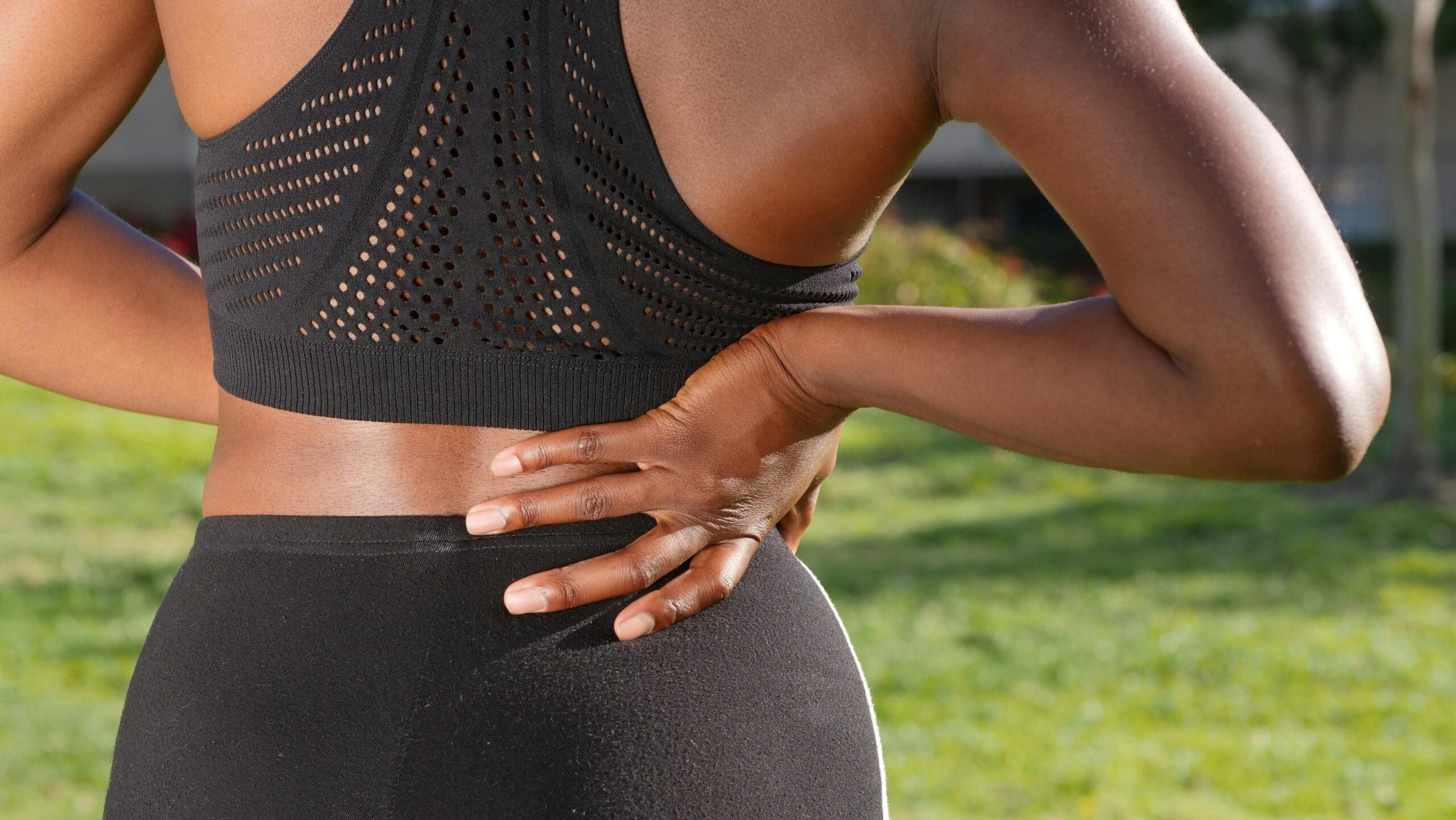
Final Thought: Be Proactive, Not Reactive
It’s easy to write off pain when you’re young. But staying active, mobile, and pain-free starts with how you treat your body now. A little attention today might save you from major setbacks later.
If something doesn’t feel right, don’t wait. Your hips are part of your foundation. Treat them like it.
