
The Mosaic Alleys of Park Güell and the Marble Sculptures of Vatican Museums: A Contrast of Textures
Texture can alter the way a place is remembered. Some surfaces catch the light and scatter it. Others absorb it and hold it still. In Barcelona and Rome, two very different artistic environments offer a dialogue not of scale, but of touch — ceramic against stone, curve against contour.
Park Güell feels assembled from fragments. The Vatican Museums feel carved from continuity. One gathers colour in shards; the other refines white into form.
Fragments Under Open Sky
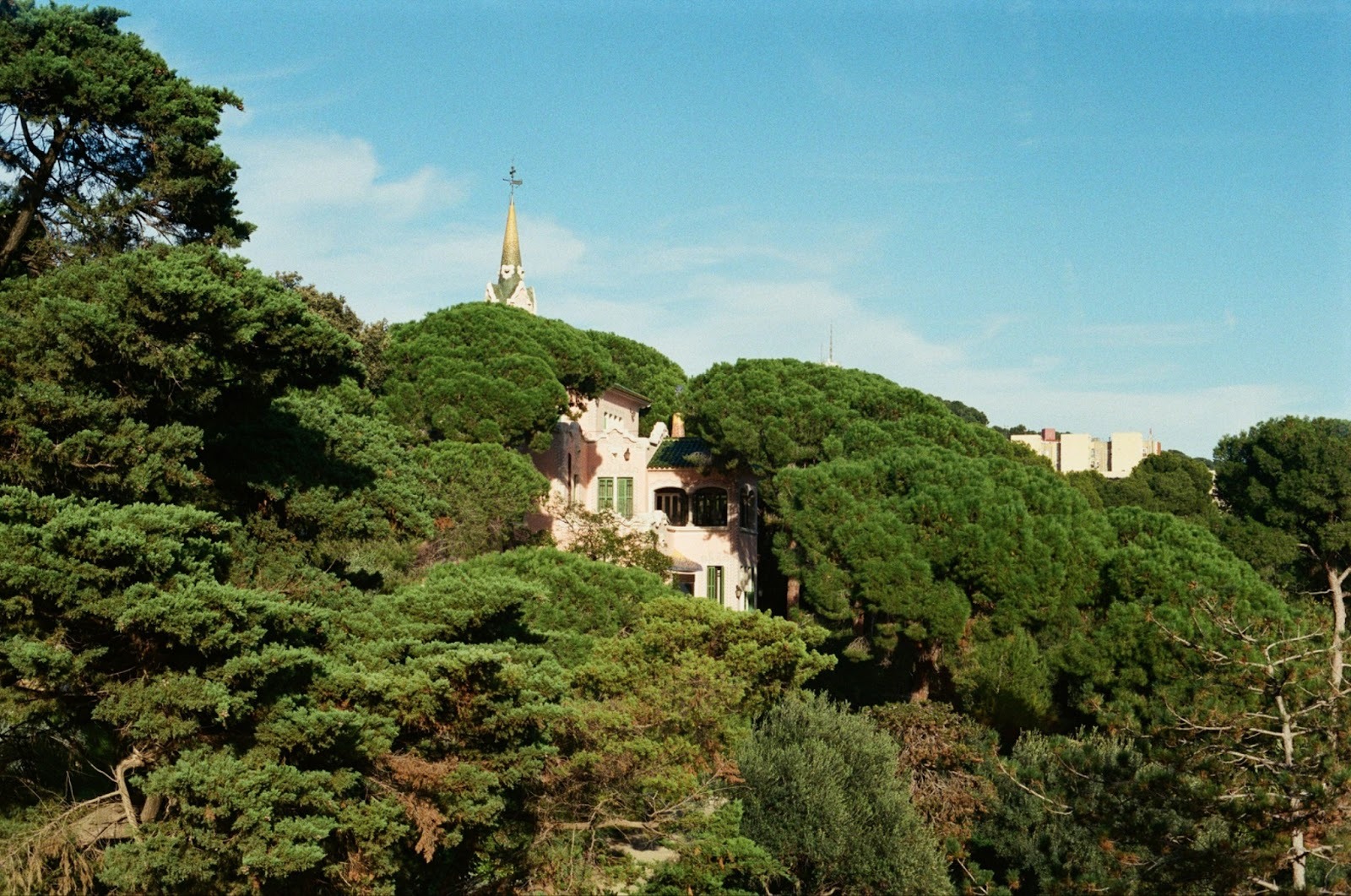
In Barcelona, Park Güell unfolds across a hillside in curved paths and tiled surfaces that refuse straight lines. Mosaics wrap around benches and spill across stairways. Blues and oranges sit beside greens in irregular patterns that feel almost improvised.
Walking through the park, you notice how light reacts to ceramic. It flickers. Broken tiles catch brightness at uneven angles. The ground beneath shifts between earth and patterned stone. The city stretches outward in the distance, framed by curves that feel more organic than architectural.
Many arrive in Barcelona through broader Spain tour packages, yet the park itself resists a tidy introduction. It reveals texture gradually — a lizard’s scaled surface, a bench’s rippling edge, columns that resemble trees more than pillars.
Under midday sun, the colours intensify. In late afternoon, they soften, blending into each other. The tactile quality of the mosaics remains constant. You sense the irregularity underfoot, even when standing still.
Marble in Contained Light
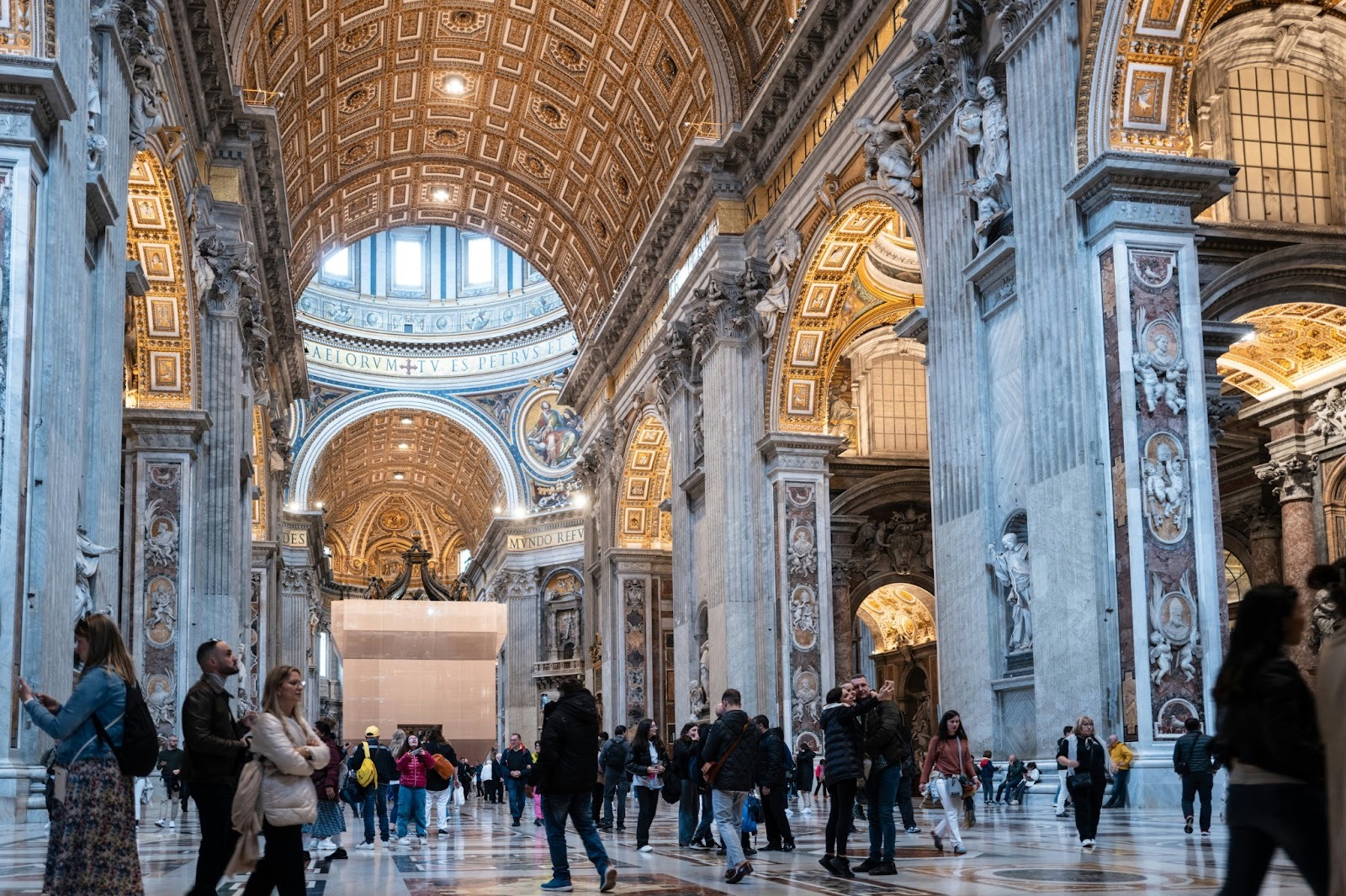
In Rome, the Vatican Museums present a different register. Corridors lead from one gallery to the next, each room holding sculptures carved in pale marble. Here, texture is not assembled; it is revealed through subtraction.
Statues rise from smooth plinths, their surfaces polished yet marked by subtle veins within the stone. Drapery appears weightless despite its material. Muscles are defined, though never exaggerated. The light filtering through high windows settles quietly on the figures, emphasising contour rather than colour.
Visitors moving through the galleries as part of structured guided Italy tours often adjust their pace unconsciously. The atmosphere encourages slower steps. Footfalls echo softly against marble floors.
Unlike the open air of Park Güell, the museum holds sound and temperature steady. The sculptures do not rely on sunlight to define them. They carry their own quiet luminosity.
Curve and Carve
The mosaics of Barcelona bend outward. They embrace irregularity. The marble figures of Rome draw inward, concentrating detail into refined planes. Yet both depend on hand and intention.
At Park Güell, fragments once discarded become surface. Colour is layered piece by piece. In the Vatican, stone is reduced carefully, revealing form hidden within.
Weather interacts differently with each. Rain darkens ceramic briefly before restoring its shine. Marble remains cool and pale, indifferent to season.
Between Open and Enclosed
Travel from Spain to Italy compresses geography into a short flight or longer rail journey, yet the shift in texture feels more pronounced than the shift in distance. Ceramic under sun contrasts sharply with marble under vaulted ceiling.
The memory of mosaic lingers when standing before a sculpture’s smooth shoulder. The echo of marble remains when tracing a curved bench in Barcelona. Texture crosses borders quietly.
Both environments exist within cities dense with history. Park Güell sits above Barcelona, open to wind and skyline. The Vatican Museums lie within walls, enclosed yet expansive in interior scale.
When Touch Becomes Memory
As daylight fades in Barcelona, the mosaics lose their brilliance gradually. Colours merge into softer tones. In Rome, evening does little to alter the sculptures, which remain pale and defined under controlled lighting.
Later, recalling the two, texture comes forward before image. The uneven surface of tile. The cool solidity of marble. Fragment and form overlap in recollection.
Neither setting resolves into preference. They stand as separate expressions of material — one scattered and assembled, the other carved and refined. Under shifting light or within steady gallery walls, both continue to hold the imprint of human hands, suspended between colour and stone without demanding comparison.
