
The Hidden Downsides of Heavy Hair Oils Indians Swear By
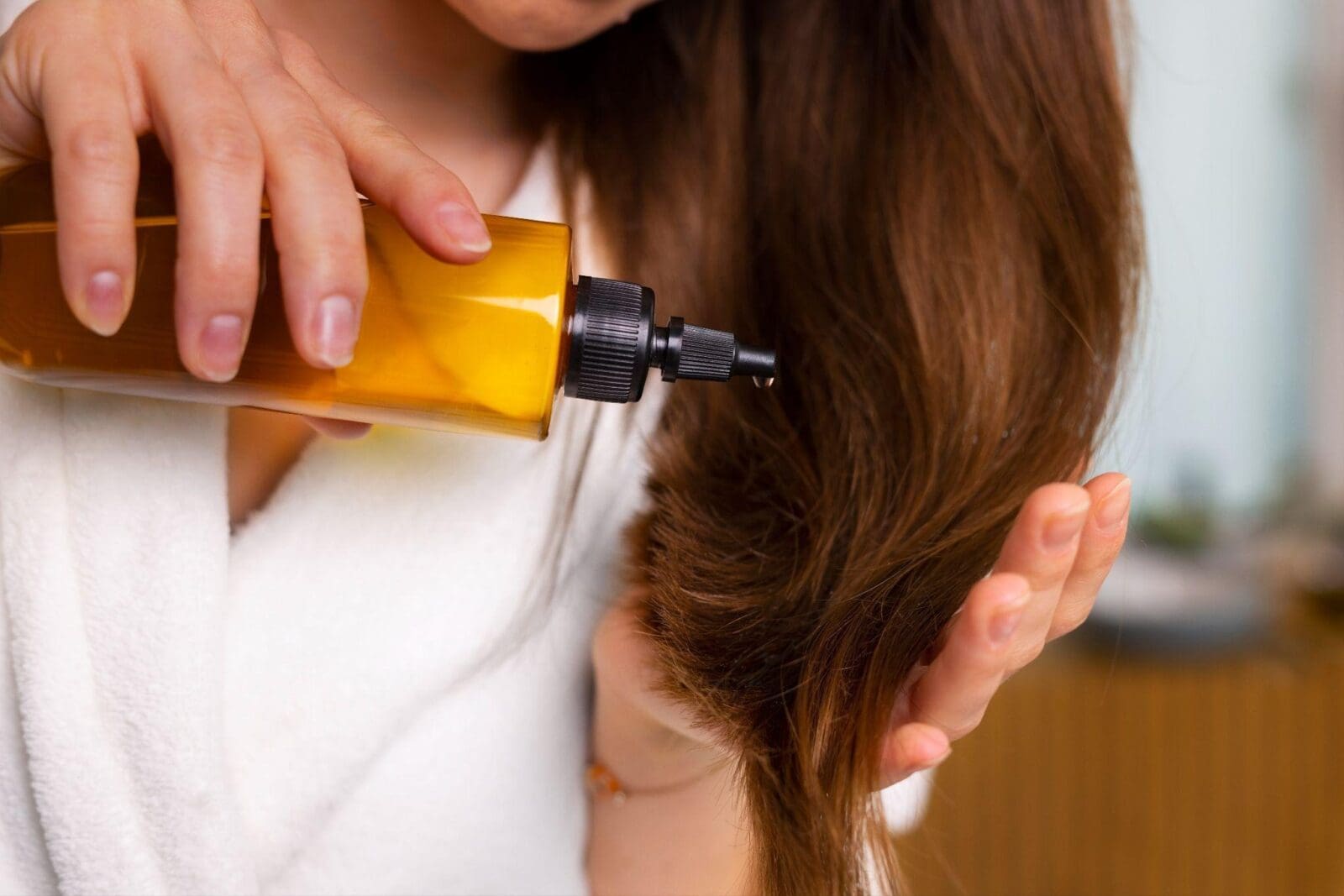
Heavy oil in your hair, wrapped in a towel after a warm massage — for millions of Indians, this is self-care passed down through generations. Grandmothers swear by it, mothers insist on it, and most of us grew up believing more oil means healthier hair. But somewhere between tradition and reality, there’s a conversation we’re not having: heavy hair oils, used the wrong way, can quietly work against you.
When Traditional Wisdom Meets Modern Scalp Health
Oiling your hair isn’t the problem. The problem is how we do it — thick coatings left on overnight, applied directly to the scalp in large amounts, washed out with multiple rounds of harsh shampoo. This cycle, repeated weekly for years, can gradually disrupt the natural balance of your scalp.
The scalp has its own microbiome — a community of microorganisms that keep it healthy. When you layer heavy oils like castor, coconut, or sesame and leave them sitting for hours, you create a warm, occluded environment that certain fungi thrive in. For people already prone to dandruff or seborrheic dermatitis, this can make things noticeably worse.
The Castor Oil Problem No One Talks About
Castor oil is probably the most recommended oil for hair growth in Indian households. Thick, rich, and packed with ricinoleic acid — it sounds like the ideal solution. But its very density is also what makes it tricky. It doesn’t absorb easily, sits heavily on the scalp, and can clog hair follicles when used too frequently or in excess.
There’s also a less discussed issue around castor oil for hair side effects — some people develop scalp buildup, increased greasiness, and even a condition called acute hair felting, where the hair shafts get tangled into a tight mass after the oil coats them unevenly. This is rare, but it does happen. More commonly, people experience scalp irritation and a persistent feeling of heaviness that no amount of shampooing seems to fix.
Over-Oiling and Hair Fall: The Connection
Here’s something most people don’t realize: oiling the scalp too heavily before washing can actually contribute to hair fall. When thick oil is applied to the roots and left for extended periods, it softens the hair follicle opening. During washing, this can make the hair more susceptible to mechanical damage — especially when you’re scrubbing hard to remove the oil.
Additionally, product buildup from heavy oils can gradually block the follicle opening, slowing down healthy hair growth over time. The scalp needs to breathe. It needs a clean surface for sebum to move naturally along the hair shaft. Layering oils prevents that.
Not All Oils Are Equal — And Application Matters More Than Product
Lighter oils like brahmi-infused oils, argan, or jojoba behave very differently from thick ones. They absorb more readily, don’t clog pores, and are less likely to interfere with your scalp’s natural oil production. But even light oils can cause problems if you’re applying them directly to the scalp in large quantities every other day.
A few habits that tend to cause more harm than good:
- Applying oil to an already oily scalp
- Leaving oil on for more than 2–3 hours thinking it increases absorption
- Using heat with heavy oils to “drive them in deeper”
- Washing with three rounds of shampoo to remove oil, stripping natural moisture
- Massaging vigorously during oiling, which increases friction and breakage
What Traya’s Approach Gets Right
Platforms like Traya, which focus on diagnosing the root cause of hair loss rather than recommending generic products, often flag incorrect oiling habits as a contributing — not correcting — factor in hair thinning. The distinction matters. Many people come in thinking their oil routine is helping them, when it’s actually creating scalp conditions that slow recovery.
Hair health is rarely about one thing. Oiling can be part of a healthy routine, but it needs to fit your scalp type, your existing conditions, and your overall hair care approach.
Final Thoughts
There’s real value in the tradition of oiling hair. The massage increases circulation, certain oil compounds do nourish the hair shaft, and the ritual itself has a calming effect. But inherited habits deserve honest examination. If you’ve been oiling consistently and still noticing dryness, buildup, hair fall, or scalp issues — the oil might not be the cure. It might be part of the problem. Understanding your scalp before defaulting to heavy oils is always the smarter place to start.
