
How to Protect Eczema-Prone Skin During the Cold Months
Winter can be particularly challenging for those dealing with eczema. The cold air outside and the dry heat indoors often lead to flare-ups, causing discomfort, itchiness, and dry skin. But with the right care routine, you can manage these symptoms and keep your skin more comfortable throughout the season. Below are some effective tips to help protect your eczema-prone skin during the cold months.
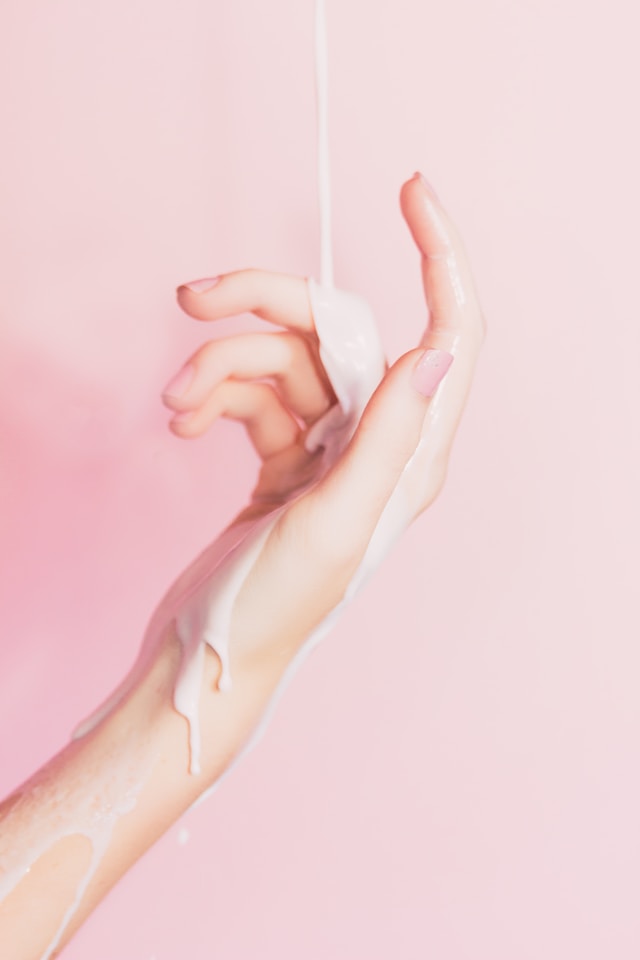
Moisturise Regularly
One of the most effective ways to combat winter eczema is by moisturising consistently. As the colder months strip away natural oils from your skin, it’s essential to lock in moisture. Opt for thick, emollient-based creams or ointments rather than lotions, which may not provide enough hydration. Apply your moisturiser immediately after bathing or washing your hands to help seal in moisture. You can also carry a small bottle with you to reapply throughout the day.
Choose Gentle, Fragrance-Free Products
Many skincare products contain chemicals, perfumes, and additives that can irritate sensitive skin. For eczema-prone skin, it’s best to stick with gentle, fragrance-free options. Look for products labelled “for sensitive skin” or specifically designed for eczema care. Soap substitutes or non-soap cleansers can also be less drying than traditional soaps. Avoid anything too harsh, as it could lead to more flare-ups and irritation.
Use Lukewarm Water for Showers and Baths
Hot showers or baths may feel comforting in winter, but they can strip your skin of its natural oils, making it drier and more vulnerable to eczema. To help manage this, it’s best to use lukewarm water instead. Try to limit your bathing time to no more than 10-15 minutes and follow up by applying a generous amount of moisturiser while your skin is still damp.
Wear Soft, Breathable Fabrics to Avoid Irritation
Certain fabrics can aggravate eczema symptoms, particularly during the winter months when you’re likely to wear more layers. Wool, for example, can be quite itchy and irritating to sensitive skin. Instead, choose soft, breathable fabrics like cotton, bamboo, or silk. These materials allow your skin to breathe and reduce the risk of irritation. When layering, make sure your base layer is made from a fabric that’s kind to your skin.
Keep Indoor Humidity Levels in Check
Heating systems in homes can make indoor air dry, which further aggravates eczema. To combat this, you might want to use a humidifier to maintain moisture levels in the air. Ideally, indoor humidity should be around 40-50% to help your skin retain moisture and prevent excessive dryness. This simple step can make a noticeable difference in keeping your skin calm during the colder months.
Over-the-counter Pharmacy Treatments
If you find that your eczema is particularly difficult to manage in winter, you may want to explore over-the-counter treatments designed specifically for eczema. Many pharmacies offer products that contain hydrocortisone, which can help reduce inflammation and soothe irritated skin. It’s also worth consulting with a healthcare professional if you’re struggling to control your symptoms. In some cases, prescribed eczema treatment can provide the relief you need during those harsh winter months.
Taking proactive steps to care for your skin during the colder seasons is key to managing eczema. With a consistent skincare routine, a few lifestyle adjustments, and the right products, you can reduce flare-ups and keep your skin feeling more comfortable all winter long.
