
How General Dental Care Creates the Foundation Every Other Treatment Depends On
Restorative and cosmetic dental treatments yield more predictable and long-lasting results if they’re placed in a clinically stable mouth. The converse of the above is also true: treatment in an unstable oral environment is counterproductive, as conditions that compromise its success will persist. This is why dental practices like Michael Kelly Dentistry make general dentistry the core of its clinical practice; it is the foundation for all other aspects of the practice.
What General Dental Care Covers
General Dentistry involves the routine clinical care provided to help preserve the health of the teeth, gums and supporting structures over time. This includes examinations, professional cleaning, fillings, extractions (when needed), and prevention, such as fluoride application and fissure sealing. They’re not glamorous treatments like cosmetic procedures are. Nevertheless, they are the interventions that will dictate the course of your oral health and, consequently, the lifespan of any further work performed along with them.
The Examination as a Diagnostic Tool
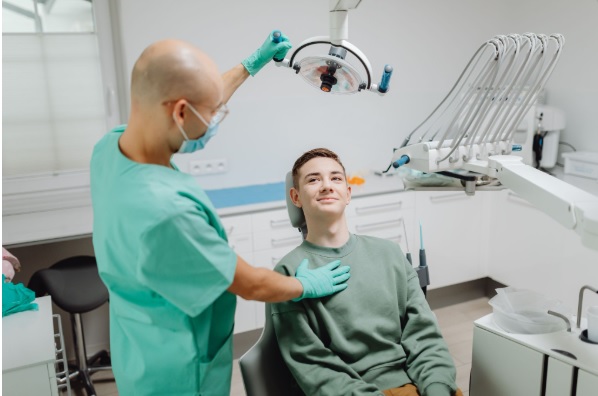
A routine dental checkup is much more than a quick look at the teeth. It is a systematic clinical examination of all the teeth, the condition of the gums and their attachment to the teeth, the condition of any existing restorations, the soft tissues (tongue, cheeks and palate), and the function of the jaw joints and bite. Radiographs are part of a routine exam and add to that assessment, but for structures that can’t be seen during clinical examination: the bone supporting the teeth, the spaces between tooth contacts, the condition of roots and the surrounding tissue. When put together, these pieces yield a clinical picture that could not be derived from the patient’s reported symptoms alone.
Hygiene Appointments and the Work They Do
Professional hygiene appointments focus on the bacteria that build up that a home oral care routine can’t completely manage. Even with a good, consistent brushing and interdental cleaning program, patients still have calculus deposits in areas that are hard to reach with a manual or powered toothbrush. Those deposits, if left in place, contain the bacteria which cause periodontal disease and tooth decay. Professional removal keeps the oral cavity at a bacterial level that the immune system of healthy gum tissue can handle, minimising the chronic inflammation that causes most dental diseases.
Why Healthy Gums Matter for Restorative Work
The health of the surrounding gum tissue is important for crowns, bridges, and implants to stay stable, look good and last a long time. If the crown is placed next to an inflamed or receding gum line, it will not provide the esthetic outcome that was desired when it was placed. An implant in a periodontally diseased mouth is at a much higher risk of developing peri-implantitis, which is inflammation of the tissue and bone surrounding the implant that can cause it to loosen over time. Restorative work performed in a periodontally healthy mouth is restorative work given the best possible chance of lasting.
The Role of General Care in Cosmetic Longevity
Whether it’s cosmetic dental treatment such as whitening, bonding, veneers, or straightening, patients have invested both time and money into their appearance and want to keep their investment. The success of that investment is significantly related to the condition of the underlying oral environment. Teeth that are not cared for with routine professional cleanings will stain faster than teeth that are kept in a good surface condition. Any composite that is bonded to teeth with active decay or gum disease will not last as long as a composite in a stable and healthy mouth. General dental care is the maintenance program that maintains the value of cosmetic care in the long term.
Catching Change Before It Becomes Damage
One of the most clinically useful aspects of routine general dental care is the identification of change over time. A dentist who has seen you regularly will get a good picture of your mouth at its baseline and can see when something is not as it should be – a new area of demineralisation, a change in the level of gum attachment, or an altered wear pattern on a tooth. These initial observations can be used to investigate and correct the cause before it reaches the stage of structural damage. Those early signs and symptoms go unnoticed without regular care.
Building a Relationship With a Practice That Knows Your History
General dental care builds up clinical value over time. A practice that has a comprehensive history of your oral health, including past treatments, risk factors identified, radiography records and documented changes, will be able to make more educated clinical decisions than a practice that sees you for the first time. This knowledge enables the dentist to determine whether a variation should be explored or is within your normal range, identify patterns suggesting a systemic or dietary issue that should be discussed, and make recommendations to prevent problems based on your profile rather than a general profile.
When to Treat and When to Monitor
However, not all findings from a general dental exam require immediate treatment. One of the most delicate choices in day-to-day dental practice is whether to intervene or observe a patient, and this decision must be made based on careful assessment and a solid understanding of the patient’s history. Conditions such as early-stage lesions, borderline gum attachment levels and minor occlusal wear may be more suitable for careful monitoring in a regular care schedule rather than immediate intervention. Judgement is only possible in the context of a general care relationship in which the clinical data required to make judgements are provided.
