
Do dogs recognise our affection?
Dogs don’t speak our language, yet many owners sense a deep understanding in those moments of connection. You might wonder whether your gestures truly register in your dog’s mind or if they just respond out of habit.
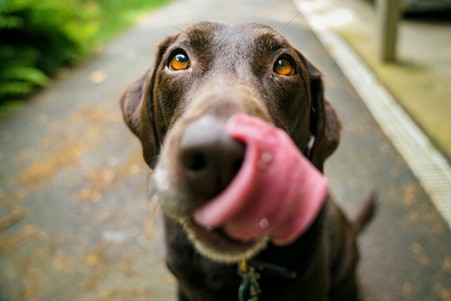
Understanding how dogs perceive affection can change how you interact with them, making your relationship more rewarding and meaningful for both of you.
The science behind canine affection
Dogs have evolved alongside humans for thousands of years, which means they have developed ways to tune into our emotions and social cues. When you pet your dog, their brain releases oxytocin, the so-called “bonding hormone”, just as yours does. This hormone promotes feelings of calm and trust, creating a positive feedback loop that deepens your connection.
Scientists have observed that dogs can distinguish between different tones of voice and facial expressions, meaning they’re not just responding to the sound or movement, but to your mood as well.
Your dog notices when you’re calm and caring, which reassures them. This biological response explains why your dog might lean into your touch or nuzzle your hand, signalling that they recognise your kindness and seek more.
Expressing love in ways that dogs understand
Dogs primarily communicate through body language and physical contact, so your gestures need to match their natural signals. Instead of hugging tightly, try slow, gentle strokes along their back or chest. Watch how they respond: do they lean in or pull away? Respecting their preferences encourages trust.
Speaking softly and maintaining eye contact can also reinforce your affection. For example, you might lower your voice to a calm tone when praising your dog, which helps them relax and associate you with positive experiences.
Using playtime and enrichment activities to show affection also works well. Tossing a ball or engaging in a gentle tug-of-war gives your dog fun interaction and strengthens your bond. These activities communicate your attention and interest in a way that feels natural to your dog, rather than just verbal praise or petting alone.
Building a stronger bond
You can deepen your relationship by tuning into your dog’s unique personality and needs. Observe their favourite ways to receive affection, whether it’s a belly rub, quiet companionship or an energetic walk. Adjusting your approach to suit them shows respect and care, making your dog feel valued and understood.
Nutrition also plays a part in your dog’s wellbeing and their responsiveness to your affection. Providing a balanced diet, such as incorporating raw dog food carefully and safely, can improve their energy levels and coat condition, which influences how comfortable and happy they feel around you.
When your dog feels physically good, they’re more likely to seek your attention and enjoy close contact.
By combining these insights with patience and consistency, you’ll notice your dog becoming more attuned to your presence and more eager to reciprocate your affection. Building this mutual understanding enriches your daily interactions and strengthens the companionship you share.
