
Building a Strong Real Estate Investment Strategy for Long-Term Success
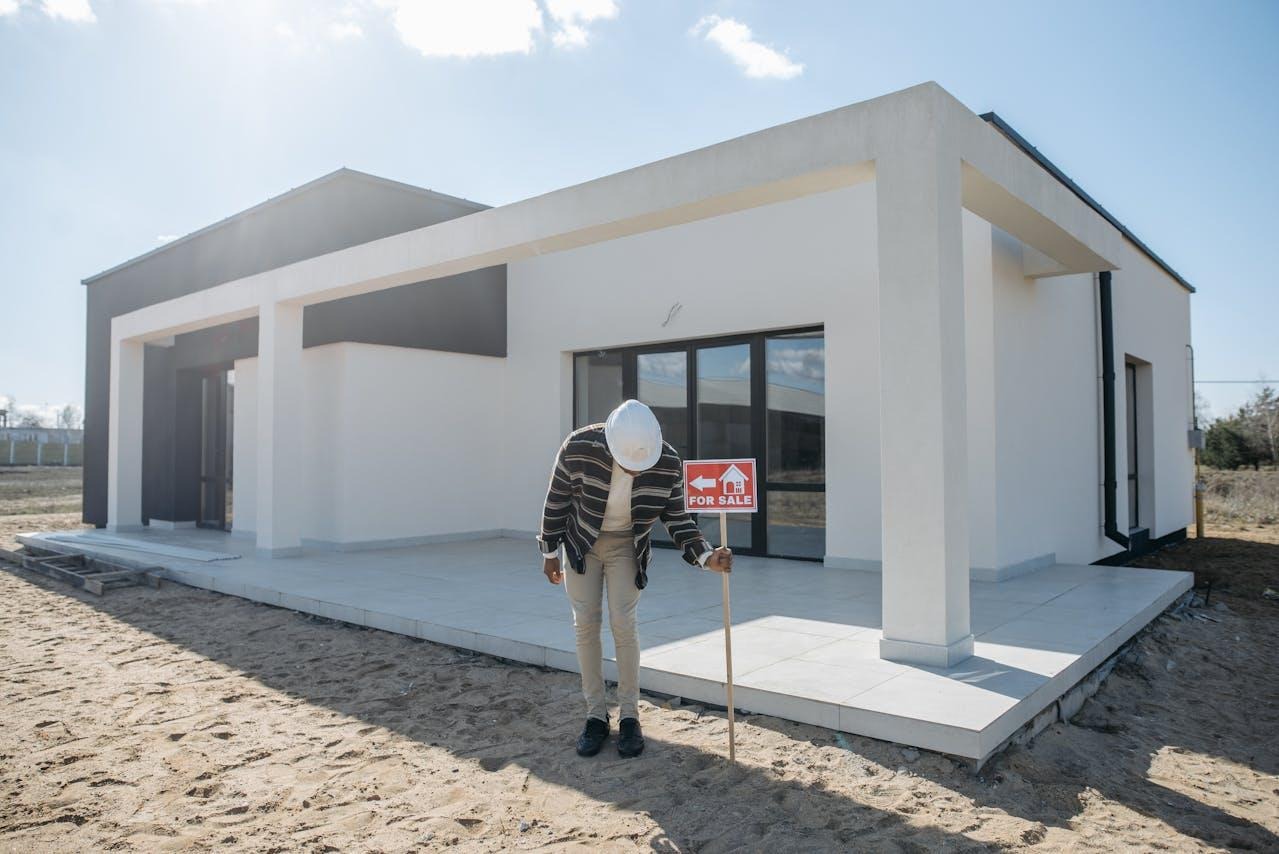
Building a long-term rental portfolio starts with developing an overall strategy. Capital expenses of rental properties, such as installing new roofs or doing major renovations, have long-term implications on the value of the property. Therefore, it is essential to develop plans in advance to account for future capital expenditures.
This article will provide information about cost evaluation, budgeting for capital expenses, and investing in out-of-state markets to create sustainable income streams.
How to Evaluate Costs and Returns Before Purchasing a Rental Property
Evaluating how much money a piece of property is worth means evaluating the property beyond its cost. The best way to ensure you will be able to make enough money from a property to make it worthwhile is to evaluate the financials completely before buying.
- Net Operating Income (NOI) Calculation: To calculate NOI, you need to subtract all operating expenses from gross rental income to determine what your cash flow would have been before financing.
- Vacancy Reserves and Maintenance Reserve: Be prepared to set aside 5-10 percent of monthly rent as a vacancy reserve and an additional 10-15 percent of monthly rent as a reserve for ongoing repairs.
- Cash-On-Cash Return Analysis: By comparing your annual pre-tax cash flow with the amount of cash you put into the investment, you will get a good idea of whether or not your investment has actually performed well.
- Local Market Fundamentals Research: Find out about jobs created in the area, changes in the population, and planned development in the area. This will give you insight into the future appreciation of the property and also help identify where there are tenants who want to live.
Even when a deal appears to have favorable profit margins based on projections and estimates, a failure to estimate conservatively for vacancies, repairs, etc., may result in unfavorable results once you become the owner. Conservatism protects you from surprise after ownership begins.
What Are Capital Expenses For Rental Property and Why They Matter for Cash Flow

Image Alt Text: Hands counting US dollar bills on a desk
Understanding what are capital expenses for rental property is important because these are long-term investments, like roof replacements or major renovations that improve property value.
Capital expenses are long-term investments in property that improve the useful life of that asset. These types of expenditures may include: a new roof, a new air conditioning system, or structural changes to your building. They are subject to depreciation, rather than being written off immediately as an expense.
Why Capital Expenses Matter for Cash Flow
Large, infrequent expenditures, such as a $10,000 roof replacement, which wipes out an entire year’s net income, will ruin your monthly cash flow if you do not plan for them. By reserving some amount of rent collected each month into a reserve account, you can turn what would have been a possible disaster into a planned-for expense that keeps your investment from being ruined by one-time costs.
Buying Rental Property Out Of State: Key Steps to Reduce Risk and Improve Returns
Successful buying of rental property out of state often depends on strong due diligence, including neighborhood analysis and inspection reports. Follow these steps to protect your capital.
Build a Trusted Local Team First
You can’t be there; therefore, it’s important to build a team of professionals. A professional property manager, a local real estate agent who has experience with rental investments, and a trusted contractor should all be interviewed. Check their references as well. They become your eyes and ears while working for you; they deal with tenants and repair needs before those grow into major costs.
Research Neighborhoods Thoroughly
You should look at sources such as Google Street View, crime mapping, school ratings, and other similar data at the block level. Look for signs that the neighbors take pride in their homes, such as well-maintained lawns and nice yards.
It is also helpful to visit in person and walk the neighborhood at different times. A nice house on a bad street will never be a great investment and may be more difficult to find reliable renters.
Visiting the area can also let you know what’s expected of properties in that area. For example, properties occupied by modern parents prefer intentional space to ease mental work loads and maximize comfort.
Demand Detailed Inspection Reports
Don’t ever give up inspections when purchasing a property from another state. You need to hire someone who has been trained, licensed, and has knowledge of the area, along with requesting a full written inspection report with pictures.
The cost of a sewer line scope and/or radon testing (when applicable) could save you thousands of dollars. You have no way of knowing if there are unseen structural problems or old wiring until it’s too late.
Run Conservative Financial Projections
Overstate all of the expense factors, such as property management fees, etc., and underrate all of the rent income. Consider that it will be difficult to find property managers at reasonable rates as an investor because they want to work directly with tenants. Higher insurance rates due to being far away from properties.
Vacancy periods between renters can also add to costs. Obtain quotes for services and materials locally rather than using national averages. If the numbers still look good under those estimates, then you may have found a very robust investment opportunity.
Establish Regular Communication Rhythms
Have your property manager call or meet with you at least once per month to go over financials and maintenance. Ask them to send you pictures of your property every three months so you can assess its current physical condition remotely.
Having these regular communications will help prevent neglect and keep all parties aware of your level of engagement. The complete disconnection of a remote owner increases the likelihood of his/her asset experiencing poor management and eventual deterioration.
Conclusion
Long-term success is built on strategy; it’s not a gamble. Protecting your cash flow and growing your equity by evaluating all of the costs associated with an acquisition, anticipating large capital expenditures, and creating a local team to support out-of-state acquisitions will help your company grow.
Treat every acquisition as a business decision that is based on information and data. The more informed decisions you are able to make about acquiring property, the stronger your portfolio will be.
