
I Had No Idea You Could Have Cataract Surgery Before You Had Cataracts
The concept of undergoing cataract surgery without having cataracts sounds paradoxical at first. Yet this innovative procedure, known as refractive lens exchange, is transforming how we think about vision correction and preventative eye care.
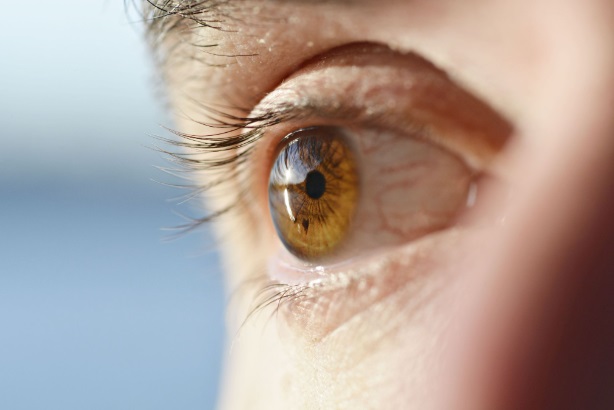
Photo by Fíjate Sí: https://www.pexels.com/photo/close-up-of-a-brown-eye-of-a-man-25078397/
For those over forty struggling with presbyopia or high refractive errors, this treatment offers an intriguing two-fold benefit that few people realise exists.
Understanding Refractive Lens Exchange
Refractive lens exchange is a procedure virtually identical to cataract surgery, only for a slightly different reason—instead of a cloudy lens in the case of cataracts, this procedure replaces your eye’s clear, natural, but ‘focally challenged’ lens with an artificial intraocular lens to reduce your dependence on glasses. The technique itself has been refined over decades, making it one of the most commonly performed operations in the Western world.
The procedure addresses conditions that laser eye surgery cannot always correct effectively.
Patients with high degrees of myopia, hyperopia and astigmatism are still not good candidates for laser surgery, and presbyopia can currently only be corrected with monovision or reading spectacles. This is where refractive lens exchange truly shines, offering a permanent solution that tackles multiple vision problems simultaneously.
Unlike traditional laser vision correction, which reshapes the cornea, refractive lens exchange works by replacing the eye’s natural lens entirely.
During RLE, the surgeon makes a small incision in the cornea, removes the natural lens using ultrasonic energy, and implants a vision-correcting IOL tailored to the patient’s specific vision needs. The entire process typically takes fifteen to thirty minutes per eye, with patients remaining awake throughout under local anaesthetic.
The Unexpected Bonus: Cataract Prevention
Here’s where the story becomes particularly interesting.
As your own pre-cataract lens is removed with refractive lens exchange, there will never be the need for cataract surgery in the future, and an added advantage is that you won’t develop a cataract later in life. This preventative aspect often surprises people who initially seek the procedure purely for vision correction.
RLE eliminates the possibility of developing cataracts in the future as the natural lens, which is prone to cataract formation, is removed. The artificial intraocular lenses cannot cloud over like natural lenses do with age. For many patients, particularly those with a family history of cataracts or concerns about future eye health, this represents significant peace of mind alongside improved vision today.
The economic implications are noteworthy as well. Vision care costs continue to rise as populations age, making preventative approaches increasingly valuable. By addressing both current refractive errors and future cataract risk in a single procedure, patients potentially avoid multiple surgeries and the associated recovery periods later in life.
My New Zealand Wellness Discovery
Travel has always been my way of discovering new perspectives on health and wellbeing, and nowhere has this been more true than in New Zealand. I first travelled there drawn by the country’s reputation for holistic wellness approaches, and what I discovered went far beyond spa treatments and meditation retreats.
New Zealand’s healthcare philosophy integrates cutting-edge medical innovation with a genuinely person-centred approach that feels refreshingly different. During my visits, I’ve witnessed firsthand how their medical professionals prioritise long-term patient outcomes over quick fixes. This ethos extends across all specialties, from general practice to advanced surgical procedures.
Through conversations with locals and fellow travellers, I learned about several people who had undergone refractive lens exchange procedures at clinics across Auckland and other cities. One friend described her experience with implantable contact lenses and how the procedure had transformed not just her vision, but her entire quality of life. She was in her early fifties, struggling with both distance and reading vision, and candidly explained that the idea of permanently solving both problems whilst simultaneously preventing future cataracts felt almost too good to be true.
What struck me most was the thorough consultation process she described. The surgeons took time to explain exactly how the procedure worked, the different lens options available, and what realistic outcomes she could expect.
This level of care and transparency has kept me returning to New Zealand for wellness experiences. The country’s approach to healthcare combines technical excellence with genuine compassion, creating an environment where patients feel truly supported throughout their treatment journey.
Who Benefits Most From This Procedure
The refractive lens exchange procedure is most suitable for people who suffer from presbyopia and hyperopia, over the age of 50 years. However, younger patients with extreme refractive errors may also be candidates, though careful assessment is essential to weigh benefits against potential risks.
The ideal candidate typically cannot achieve satisfactory vision correction through laser surgery alone.
Refractive lens replacement surgery is safe and effective for improving functional vision, and retinal image quality could provide a useful and objective way to facilitate partial cataract severity evaluation and surgery decision making. Those already experiencing early cataract formation alongside significant refractive errors may find this approach particularly beneficial.
Success rates remain impressively high across patient demographics.
About 95% of people are happy with their vision after surgery. These outcomes reflect both advances in surgical technique and improvements in intraocular lens technology, which now offers options for correcting presbyopia, astigmatism, and various refractive errors simultaneously.
Weighing the Considerations
Whilst the benefits are substantial, refractive lens exchange isn’t without considerations. As with any intraocular surgery, there are inherent risks that must be thoroughly discussed with a qualified ophthalmologist.
Retinal detachment is the most serious complication of refractive lens exchange, and your risk may be higher if you have extreme nearsightedness or are under age 50.
Cost represents another practical consideration for many patients. The procedure typically requires private payment, as it’s classified as elective rather than medically necessary. However, when weighing the expense, many patients consider the long-term value of eliminating both current vision problems and future cataract surgery needs.
Recovery generally progresses smoothly, with most patients experiencing rapid visual improvement. Temporary side effects such as mild discomfort or light sensitivity typically resolve within days to weeks as the eyes heal and adjust to the new lenses.
The Future of Preventative Eye Care
The growing popularity of refractive lens exchange signals a broader shift in how we approach eye health. Rather than waiting for conditions to deteriorate before intervening, more people are exploring preventative options that address multiple concerns simultaneously.
Presbyopia affects approximately 1.8 billion individuals globally, posing significant challenges as life expectancy and near-vision demands grow, and addressing presbyopia during lens replacement surgery has become a key focus for surgeons, aiming to reduce dependence on corrective eyewear. This demographic reality drives continued innovation in lens technology and surgical techniques.
The procedure represents a convergence of multiple medical goals: correcting existing vision problems, preventing future cataracts, and potentially reducing long-term dependence on spectacles or contact lenses. For patients who value visual freedom and want to address age-related eye changes proactively, refractive lens exchange offers a compelling solution that previous generations simply didn’t have access to.
Making an Informed Decision
Choosing to undergo refractive lens exchange requires careful consideration and thorough consultation with experienced eye care professionals. The decision should never be rushed, and patients benefit enormously from asking detailed questions about their specific situation, expected outcomes, and potential alternatives.
Understanding the difference between this elective procedure and medically necessary cataract surgery helps frame expectations appropriately.
Whilst the procedures for cataract surgery and refractive lens exchange are essentially the same, refractive lens exchange is an optional or elective surgery typically performed for patients aged 40+ who want to eliminate the glasses or contacts they wear for refractive problems whilst also eliminating their increasing, age-related need for reading glasses.
For those exploring their options, seeking opinions from multiple qualified surgeons can provide valuable perspective. The quality of pre-operative assessment, surgical expertise, and post-operative care all significantly influence outcomes and overall patient satisfaction with the procedure.
The revelation that you can have “cataract surgery” before developing cataracts opens fascinating possibilities in preventative eye care. Whilst the name might be slightly misleading—it’s more accurately described as preventative lens replacement—the concept challenges our traditional approach to managing age-related vision changes.
For suitable candidates, it offers a proactive solution that addresses today’s vision needs whilst safeguarding against tomorrow’s potential problems.
