
Renaissance Stone of Santa Maria del Fiore and the Baroque Gold of Naples: A Study of Light
Light behaves differently depending on what it meets. On pale stone, it sharpens edges and then retreats. On gilded surfaces, it multiplies, scattering itself into smaller reflections. In Florence and Naples, architecture becomes a surface for this exchange — Renaissance restraint facing Baroque flourish, marble absorbing brightness while gold releases it.
The contrast is often framed in historical terms, yet it is just as much about atmosphere. Stone and ornament do not compete; they respond to sun in their own tempo.
Marble Under Tuscan Sky
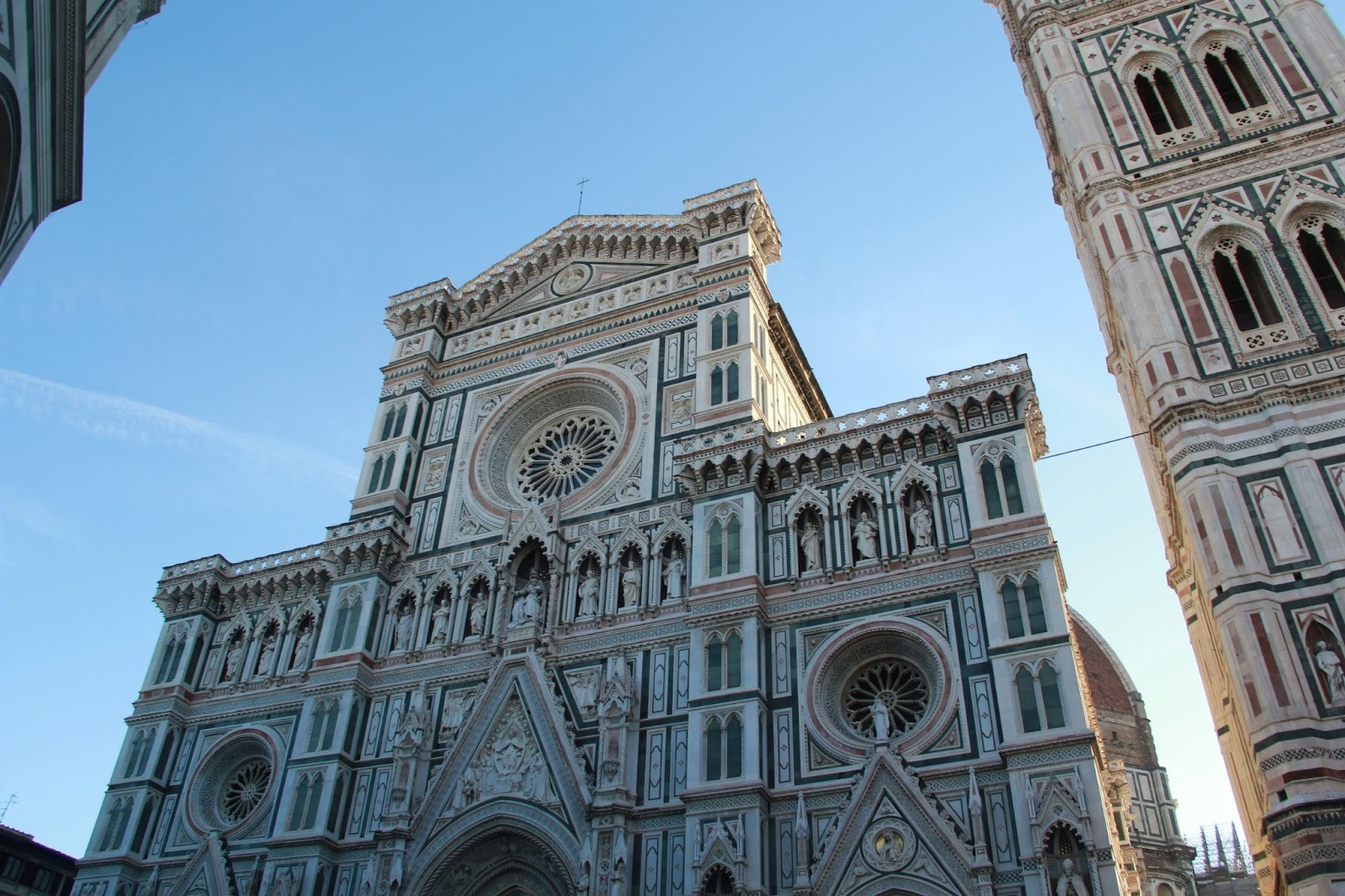
In Florence, Santa Maria del Fiore rises in layered stone — white, green, pink marble arranged in geometric panels that feel deliberate without excess. The dome rests above it all, terracotta against sky. The cathedral does not shimmer; it holds light in quiet planes.
Morning tends to define the façade most clearly. Sun strikes one side before the other, revealing depth in carved details. The piazza in front widens the view, allowing distance to soften ornament into pattern.
Many arrive in Florence by way of the train from Naples to Florence, stepping from southern warmth into Tuscan clarity. The shift registers first in the light. In Florence, brightness appears cooler, more filtered, as though tempered by stone.
Standing near the cathedral, you notice how shadow moves across marble in measured bands. The surface reflects without glittering. It remains composed, even under full sun.
Gold Within Southern Churches
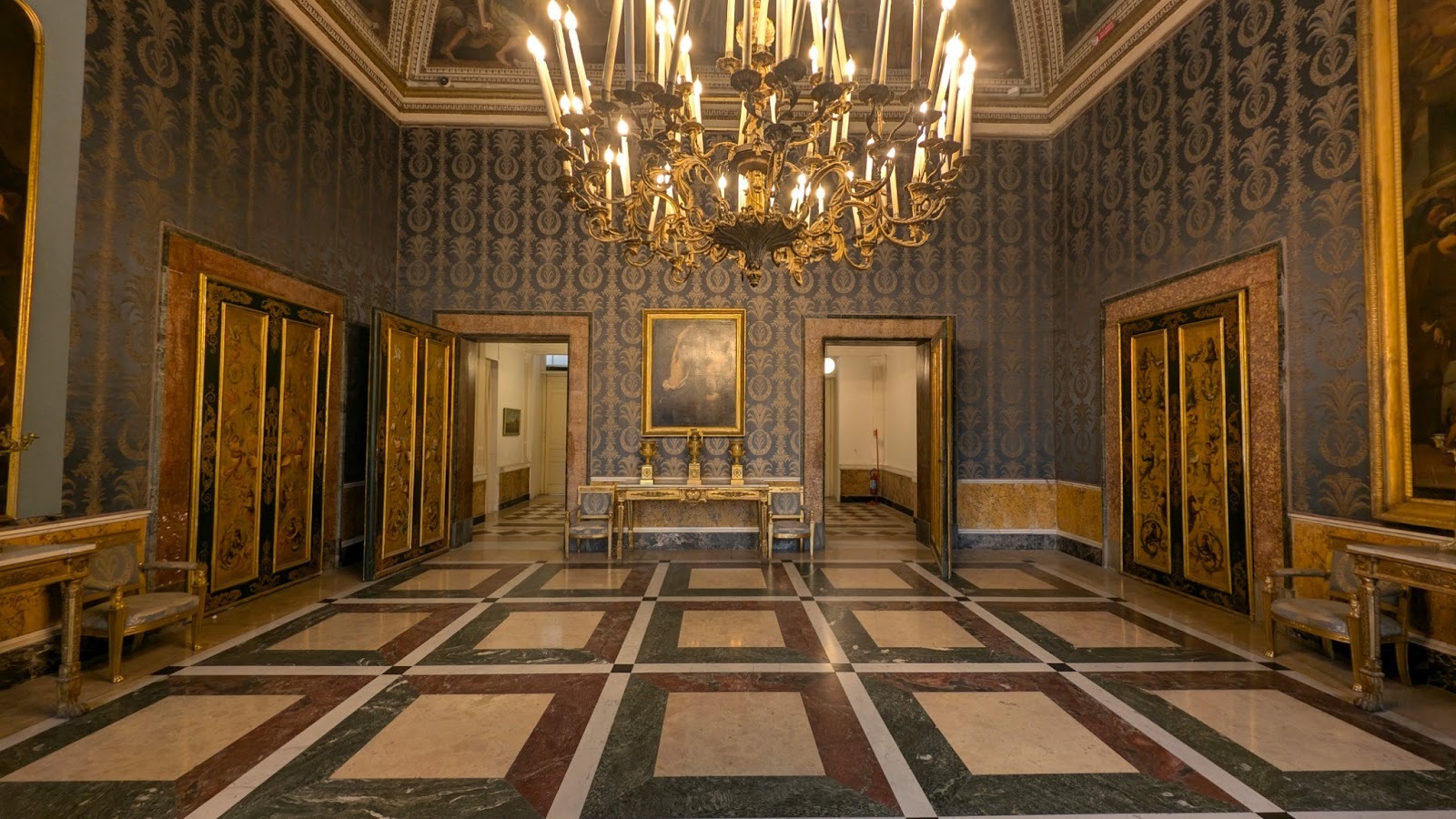
In Naples, interior spaces glow differently. Baroque churches hold gilded altars and ceilings layered with ornament. Gold leaf catches light and breaks it into fragments, amplifying what little filters through windows.
Here, shadow does not diminish detail; it deepens it. The air feels denser, warmer. Marble columns support ceilings that appear almost fluid with decoration. Frescoes stretch overhead, their colours intensified by surrounding gold.
Travellers navigating the peninsula on Italy trains often notice how quickly light shifts between regions. In Naples, it feels closer, more immediate. Inside a church, it reflects off gilded frames and painted surfaces, creating movement where none exists.
The effect is immersive. Where Florence presents clarity, Naples offers radiance. Each city shapes light into a distinct experience.
Surface and Reflection
Renaissance stone relies on proportion. It allows light to define its geometry. Baroque gold relies on accumulation. It multiplies brightness through layered detail.
Outside in Florence, the cathedral stands exposed to sky. In Naples, illumination is filtered, contained within walls that curve and twist around altar and nave. The difference lies not only in material but in setting.
Even weather alters perception. Overcast skies flatten Florence’s façade into softer tones. In Naples, clouds outside barely affect the interior glow, which depends more on candlelight and reflected shine.
Between North and South
The journey between these cities compresses distance but stretches atmosphere. From carriage windows, landscape transitions from coastal plain to rolling hills. The memory of gold lingers faintly when stepping onto Florentine stone. The cool clarity of marble remains in mind when entering a Neapolitan chapel.
Neither expression cancels the other. They coexist along the same rail line, separated by hours rather than eras. Light becomes the connecting element — shifting, adjusting, never fixed.
When Illumination Softens
As evening approaches Florence, the cathedral’s marble cools into muted grey. The dome darkens first, then the patterned façade follows. In Naples, interior gold deepens in tone, catching candlelight in smaller glints.
Later, recalling both spaces, light becomes the dominant memory. The quiet geometry of Renaissance panels. The layered shimmer of Baroque altars. Stone and gold align in recollection not through contrast, but through their shared dialogue with brightness.
Neither city resolves into a single definition. Santa Maria del Fiore remains poised under open sky. Naples continues to glow behind carved doors. Light moves across both, altering surface and shadow without demanding conclusion.
